
Technical article
2026-03-10
PSA carbon molecular sieve are a special kind of porous carbon material that is used to separate gases by size, the most common application being nitrogen or oxygen production. Tiny holes in these sieves separate molecules based on their size and shape, which makes them extremely useful in a wide variety of industries. Pores in carbon molecular sieves allow smaller molecules, like oxygen, to pass through more rapidly than larger ones like nitrogen. Factories, labs, and even food processing plants use these sieves to obtain pure nitrogen or scrub other gases. Carbon molecular sieves are an excellent choice because they have a long life, require minimal maintenance, and provide high purity gas. In the subsequent sections, the post will explain how these sieves operate and where we use them in daily life.
Carbon molecular sieve (CMS) take advantage of their unique microporous structure to selectively separate gases, enabling efficient gas purification across numerous sectors.
CMS’s kinetic selectivity enables fine-tuned separation by molecular size and mobility, producing high-purity outcomes for gases such as nitrogen and hydrogen.
There are some key steps in manufacturing CMS that need to be taken, such as carbonization and activation. Process control ensures optimal pore size and adsorption capacity.
CMS technology sustains solutions by processing upgraded biogas and purifying hydrogen, using renewable sources for precursors.
Fine-tuning process conditions and routine maintenance optimize CMS performance. Regeneration cycles preserve long-term efficiency.
Brilliant prospects await CMS technology, with continued innovation in synthesis, computational design, and energy storage poised to make it more versatile and impactful around the globe.
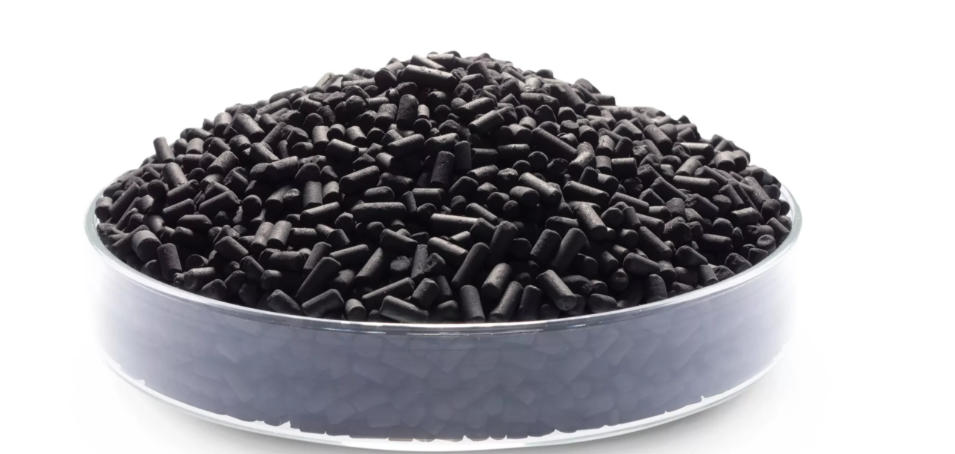
Carbon molecular sieve (CMS) are advanced porous materials composed primarily of carbonaceous materials. Their primary function is to separate and purify gases, making them essential in gas processing applications. These sieves are unique in gas separation due to their minuscule and homogenous pores, which allows them to effectively separate gases by size and adsorptivity. CMS are key in many industries, particularly where purity and selectivity are crucial, such as hydrogen gas production or natural gas reforming. The primary application is in PSA and VSA systems, showcasing their versatility compared to other types of molecular sieve membranes.
CMS, or carbon molecular sieve, is microporous with a pore diameter typically less than 2 nanometers. The pores are just the right size to allow small gas molecules to pass, such as hydrogen gas, while blocking larger ones. This structure is not arbitrary; it’s specifically controlled during manufacture. By varying the size and shape of these pores, manufacturers can determine which gases the molecular sieve membranes will trap and which will flow through. For instance, nitrogen can flow through some CMS while oxygen is retained, allowing air to be separated. Their quantity and spatial distribution influence the volumetric capacity of gas adsorption at any given moment, contributing to the powerful selectivity for specific gases.
With kinetic selectivity referring to how carbon molecular sieve separates gases based on diffusive speed through its pores, smaller molecules such as nitrogen pass more rapidly and are more readily adsorbed than larger molecules like oxygen or carbon dioxide. Temperature affects gas velocity; at elevated temperatures, molecules move more quickly, which can decrease the selectivity of molecular sieve membranes. In air separation, for example, CMS can rapidly adsorb nitrogen but desorb oxygen because of this property.
It begins with gas molecules adsorbing to the surface of the carbon molecular sieve (CMS), where they’re held by weak van der Waals forces. The strength of those forces varies based on the type and size of the gas molecule. The adsorption behavior of gases is reflected in so-called adsorption isotherms, which describe how much gas a CMS can adsorb under varying conditions. When it’s time to use the CMS again, the gas is expelled in a process known as desorption, essential for ongoing gas separation processes and purification.
CMS, or carbon molecular sieve, are typically derived from organic matter such as coconut shells, coal, or synthetic polymers. The choice of feedstock influences the resulting pore sizes and molecular sieve properties. This process, known as pyrolysis, involves heating the material in an oxygen-free environment, transforming the feedstock into a carbon backbone studded with microscopic pores. By utilizing sustainable feedstocks like coconut shells, it provides a greener alternative for CMS generation and can reduce the carbon footprint.
CMS come from coal and coconut shells. It turns these raw materials into sieves with slit-shaped, nano-scale pores. These pores are crucial to CMS’s capacity to separate gas molecules of different sizes. Their average pore size is approximately 20Å, which makes them more selective than normal activated carbon. CMS production involves a handful of steps, each of which influences the ultimate carbon structure and performance. Quality control at each step is vital. Any decline can damage CMS effectiveness, particularly in critical applications such as chemical or environmental industries. R&D continues to advance these methods, discovering ways to increase selectivity, longevity, and productivity.
Key Steps in CMS Manufacturing:
Raw Material Selection: Start with high-carbon sources, often coal or coconut shells, chosen for their stability and purity.
Carbonization: Heat the material in a controlled environment to remove volatile compounds and leave a carbon-rich base.
Activation: Treat the carbonized material with gases or chemicals to open up pores and increase surface area.
Pore Modification: Adjust the pore structure through chemical or thermal treatments to match the size needed for specific gases.
Quality Control: Test pore size, strength, and adsorption properties to ensure the CMS meets strict standards.
Carbonization involves heating feedstock to about 600 to 900 degrees Celsius in a low-oxygen environment, a crucial step in the production of carbon molecular sieve materials. This process removes volatile components, resulting in a durable carbon skeleton. During this phase, the aromatic layers align to form the slit-shaped pores that make CMS unique. Close temperature control is essential for maintaining structural integrity and preventing degradation, while the atmosphere type, typically inert gases, preserves the carbon's characteristics.
Activation enhances molecular sieve membranes performance by increasing the number of open pores and roughening the surface. Physical activation employs steam or carbon dioxide at high temperatures, whereas chemical activation incorporates chemicals such as potassium hydroxide prior to heating. Both methods alter pore number and size. A well-executed activation step increases the surface area and provides carbon molecular sieve with its high adsorption capacity, leading to better trapping of molecules like oxygen, which is key for PSA units.
Pore modification customizes carbon molecular sieve (CMS) to particular tasks, including chemical etching, heat treatments, or adjusting the raw material mix. By sculpting the pores, manufacturers can select for specific gases, allowing O2 to pass through more rapidly than N2. This selectivity is what makes molecular sieve membranes so effective at separating air for medical or industrial applications. Tuning pore size aids gas selectivity and keeps the CMS working longer, making it a dependable option for many industries.
Carbon molecular sieves (CMS) are a crucial part of contemporary gas separation processes. They utilize tiny, consistent pores to selectively ‘pluck’ particular gases from a blend, making them ideal for applications like hydrogen gas purification and methane recovery. Unlike traditional methods such as cryogenic distillation, CMS operate at ambient temperatures, significantly reducing energy consumption. Their customizable molecular sieve properties, achieved by varying the heat in their manufacture or the source material, allow CMS to effectively address a wide range of applications, from helium separation to biogas upgrading.
Highly selective for gases such as N2, O2, H2, and CO2.
Works at normal temperatures, saving energy
Fast cycling lets systems run more often
Good stability under heat and pressure
Can be reused after simple washing or heating
Fits many forms: thin-film, hollow fiber, and more
Often leads to lower costs in running and upkeep
Reducing waste and energy consumption, CMS empowers industry to make cleaner decisions in gas processing. This can translate into stronger margins and reduced damage to the earth. By 2023, the light olefin market bloomed to almost 475 billion USD, demonstrating just how massive a role molecular sieve membranes play worldwide.
CMS, or carbon molecular sieve, is commonly used to manufacture pure nitrogen from air. Air passes over CMS beds in towers, which capture oxygen, water, and other gases while allowing nitrogen to pass through the molecular sieve membranes. This innovative process trumps old-school approaches that frequently require chilling or chemicals, providing stable, high-purity nitrogen of more than 99.9 percent. Industries such as electronics, food packaging, and metal work companies all rely on CMS nitrogen, which maintains low operating expenses while meeting rigorous purity standards.
Biogas requires scrubbing before usage, and carbon molecular sieves play a crucial role in this process by assisting in the removal of CO2, water, and other unwanted gases. This renders the methane richer and more valuable for fuel or power, making molecular sieve membranes essential for many farms and waste plants that use CMS to purify their biogas. The outcome is improved, cleaner energy that contributes to minimizing waste and fossil fuel consumption.
Hydrogen has a lot of potential, particularly for clean energy. Raw hydrogen, frequently produced by steam methane reforming, arrives contaminated with CO, CO2, and other gases. Carbon molecular sieve (CMS) membranes can separate out these impurities with high proficiency. Fuel cell makers and chemical plants utilize molecular sieve materials to obtain hydrogen at the purity level they require. This helps advance the hydrogen economy, bringing green energy ambitions closer to reality.
Perfecting carbon molecular sieve (CMS) performance is part science, part common sense. Proper decisions regarding process conditions, maintenance, and modification to new requirements significantly improve CMS gas separation processes and lifespan. Every point of information, from temperature to flow, influences the molecular sieve properties in actual environments.
CMS is very sensitive to process conditions, particularly temperature. Raising the carbonization temperature from 550 to 850 °C significantly increases the selectivity between hydrogen gas and carbon dioxide, while also boosting hydrogen flow. Modifying the ultimate carbonization temperature is a critical stage as it calibrates the ultramicropore and micropore profile, enabling you to customize the CMS for various task requirements in gas separation processes.
Feed gas composition is crucial as well. Other gases in the blend can alter how effectively the molecular sieve membranes separate them. For instance, water vapor in the gas can decrease hydrogen permeance and mildly reduce hydrogen-to-CO2 selectivity, demonstrating the CMS’s sensitivity to environmental conditions.
Flow rates need to correspond to the size and design of the CMS. If it’s moving too fast or slow, it either makes less sharp separation or wastes energy. Finding that balance aids the CMS in working longer and holding costs down.
Even aging can affect the CMS’s capabilities. If modules remain exposed to lab air for too long, their performance can degrade. Monitoring these shifts is essential for prolonging the lifespan of the molecular sieve material.
Regeneration is purging the CMS so it can continue operating once saturated with gases. Without it, the CMS would cease to pick up new gases. This cycle keeps things flowing.
Sometimes, simply releasing the pressure is all it takes. Other times, heat or flowing inert gas assist in purging the trapped molecules. The approach you choose can affect how quickly and completely the CMS recovers.
A solid regeneration cycle is all about saving time, energy, and money. It keeps the CMS running closer to its best, which counts in situations where downtime is a no-go.
Lower the pressure to release adsorbed gases.
Use heat to drive out stubborn molecules.
Flow inert gas (like nitrogen) to sweep away impurities.
Combine steps for tough cases or to shorten downtime.
Contaminants can sneak in with feed gases and clog the microscopic pores in CMS. When this occurs, less gas is separated and the CMS can quickly lose its edge.
Impurities such as water vapor or dust reduce the adsorption capacity of the CMS. Over time, that can translate into greater cleaning or premature replacement if not controlled.
To reduce this, a lot of plants apply filters or dryers before the CMS. Monitoring it with periodic verification and tuning prevents huge performance cliffs.
Regular maintenance isn’t just good. It’s the secret to keeping CMS performing optimally and living a long life.
Carbon molecular sieve (CMS) technology is at a crossroads, with innovative concepts and emerging tools defining its new era. With worldwide pressures for cleaner processes and smarter resource usage, CMS is being pushed to work harder across chemical, pharmaceutical, and environmental industries, particularly in gas separation processes. The world market for these molecular sieve membranes is going to increase, but greener, smarter alternatives are necessary. Although CMS is reliable and long-lived, sometimes operating for years in PSA units, its present incarnation is not up to every task, especially those connected to the environment.
Innovative methods to produce carbon molecular sieves are receiving much interest. Researchers rely on methods such as templating, controlled pyrolysis, and chemical vapor deposition. These techniques contribute to tuning the pore size and architecture of CMS. For instance, transforming CMS into nanostructures can enhance gas separation, allowing smaller gases like hydrogen and helium to leak out rapidly while bigger ones are stopped.
For these innovations to truly matter, they should be easy to scale. Factories require solutions that don’t just work in the lab but can be performed en masse with consistent results every time. If your CMS production cost goes down, more sectors — oil, medicine, clean energy — can afford to make them.
Computational models are assisting researchers predict how CMS will behave prior to manufacturing it. Through computer simulations, designers are able to customize both the size and shape of pores to suit each task. This simplifies tailoring CMS to applications such as oxygen and nitrogen separation or air purification.
Machine learning is beginning to factor in. With ample data, more than 500 thick film and 400 thin-film CMS membranes have been tested. Computers can identify trends and propose new designs quicker than humans alone. This accelerates the search for improved, more selective CMS materials.
CMS is now being eyed for novel energy storage concepts. Its slit-shaped pores, formed by flat aromatic sheets, facilitate the selective separation of small molecules from larger ones. That makes CMS useful for hydrogen storage, where securing light gases is crucial.
CMS films’ excellent selectivity and gas transport capabilities, validated across numerous gases such as CO2, O2, and CH4, can contribute to cleaner, more efficient energy systems. Durability means these sieves last for years if cleaned, which is good news for those with long-term plans.
|
Application |
Gas Targeted |
Benefit |
|---|---|---|
|
Hydrogen storage |
H2 |
High selectivity, efficiency |
|
Natural gas upgrade |
CH4, CO2 |
Cleaner fuel, less waste |
|
Oxygen generation |
O2, N2 |
Medical, industrial uses |
|
Air purification |
CO2, N2 |
Better air quality |
Carbon molecular sieves (CMS) are crucial for gas separation processes. Deploying them comes with operational hurdles that can decelerate momentum and constrain the scope of where these molecular sieve membranes can be applied. Understanding what breaks and how to mend it allows folks to maximize these membranes, particularly for challenging assignments like hydrogen separation from syngas.
One major challenge is maintaining the strength and stability of CMS membranes. When heated or cooled, membranes can shrink and lose their shape, cutting their performance short. Using a solvent with a high boiling point can help mitigate this issue. Such solvents slow down shrinkage and enhance thermal stability, meaning the membrane lasts longer. Cold drying methods, like freeze-drying or chilling, also help keep the membrane stable under high temperatures. Another concern is the tendency of CMS to weaken over time, especially if they are exposed to room temperature. Even after just one day, the membrane can lose a significant portion of its ability to allow gases through, highlighting the importance of proper storage and handling alongside the manufacturing process.
CMS membranes often utilize inexpensive polymers like phenolic resins, PAN, or polyvinylidene chloride. These materials are readily available and cost-effective, making them excellent choices for widespread deployment. With a brief one-dip-dry-carbonization cycle on alumina tubes, these polymers can be transformed into functional CMS membranes. Once activated, these membranes can maintain a crush strength exceeding 1 MPa, even after burning off as much as 40% of their weight. This durability lays the groundwork for larger undertakings in natural gas processing.
Ongoing research aims to push beyond the current limitations of CMS. Scientists and engineers are exploring new methods to prevent aging and prolong the functionality of these membranes. They are investigating how various gases, such as hydrocarbons, impact performance. For instance, methane does not impede hydrogen flow, even at -80 degrees C, which is promising when attempting to extract hydrogen from a gas mixture.
Advances in CMS is a story of collaboration. Universities, companies, and labs all contribute. This collaboration accelerates innovation and troubleshooting to optimize CMS for gas separation, particularly in the clean-energy sectors.
Carbon molecular sieves shine in gas clean-up and split tasks. Makers employ clever techniques to form these sieves for maximum performance. You encounter these at labs, gas plants, and food shops. Each step from making to use influences their gas-sorting prowess. Fresh concepts arise quickly, with people hustling about on methods to improve work and trim scrap. Sites using CMS today save more time and money. A bakery seeking pure nitrogen or a plant desiring clean hydrogen both benefit from robust CMS. For the latest tips and tech, keep yourself sharp. Trade tales, share what clicks, and assist the industry advance. Join the discussion and help make gas run more intelligently.
A carbon molecular sieve, known for its unique molecular sieve properties, is a porous carbon material that effectively separates gases by size, allowing certain gas species to pass while blocking others, making it invaluable for industrial gas separation.
Carbon molecular sieves, created by carbonizing organic materials and activating them at elevated temperatures, generate consistent pores for effective gas separation processes.
CMS, a type of molecular sieve, can effectively separate nitrogen from air, hydrogen gas from gas mixtures, and remove oxygen or carbon dioxide due to its precise pore sizes that enhance its molecular sieve properties.
CMS, or carbon molecular sieve membranes, play a key role in sectors dealing with high purity gases like chemical production, food, and electronics, optimizing process efficiency and enhancing product quality.
You can really maximize performance in gas separation processes by controlling pore sizes in the manufacturing process, operating at the appropriate temperature and pressure, and performing regular maintenance to ensure solid gas separation and a long lifecycle.
Other operational challenges consist of pore blockage in molecular sieve membranes, sensitivity to moisture, and degradation of carbon molecular sieve materials over time. Careful handling and occasional regeneration mitigate these concerns.
Looking ahead, there is potential for better manufacturing processes involving molecular sieve membranes, increased selectivity, and an extended lifespan, which will enhance the efficiency of gas separation.


 Tracy Chen